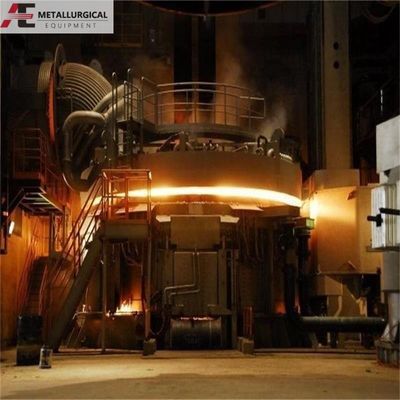
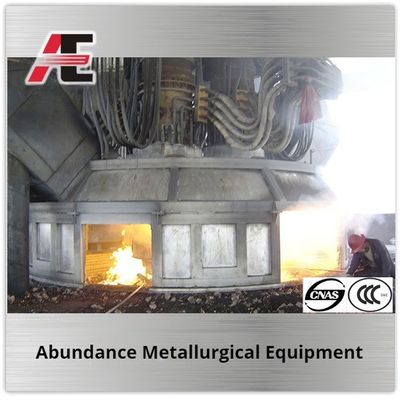
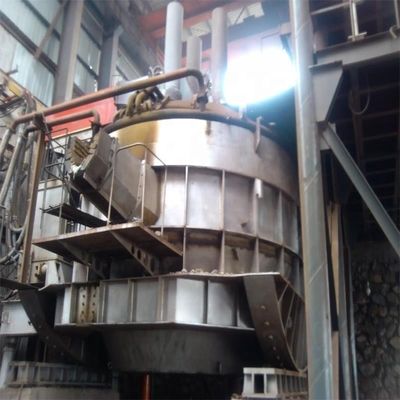
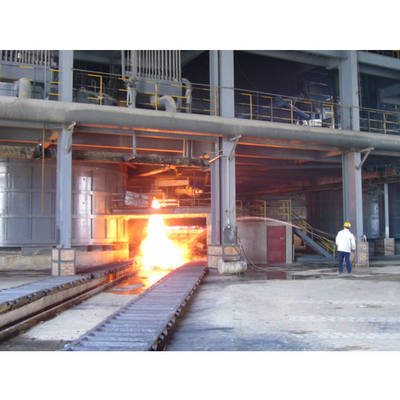
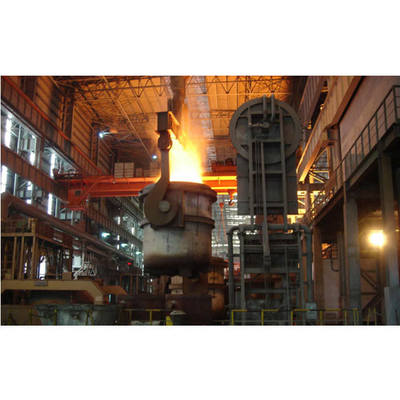
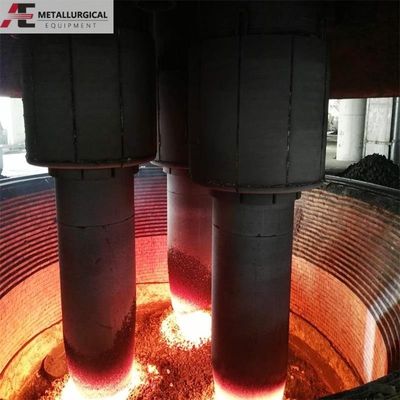
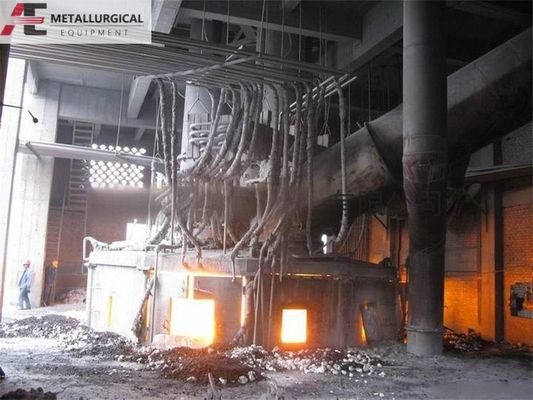
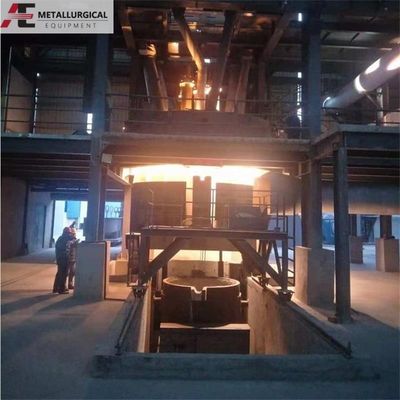
Cechy pieca łukowego elektrycznego EBT
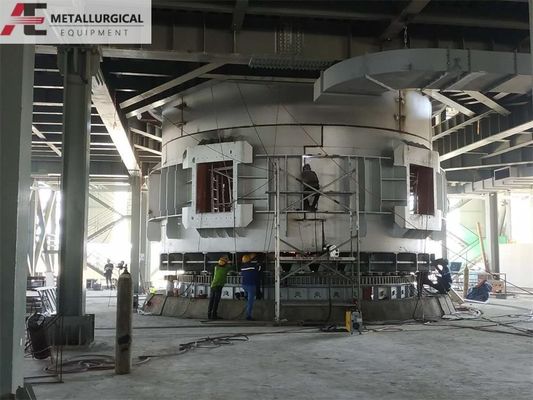
Cechą konstrukcyjną charakterystyczną dla pieca elektrycznego z mimośrodowym spustem dennym (EBT)jest zastąpienie tradycyjnego wylewu dedykowanym zbiornikiem spustowym. Sam otwór spustowy jest umieszczony pionowo w dół na dnie tego zbiornika.Dolna część otworu spustowego jest wyposażona w dedykowany mechanizm otwierania i zamykania. Górna środkowa część zbiornika spustowego posiada port operacyjny ułatwiający konserwację i wymianę materiału wypełniającego otwór spustowy.
Zalety pieca łukowego elektrycznego EBT
Główną zaletą konstrukcji EBT jest jej zdolność do uzyskania spustu bez żużla, jednocześnie zwiększając powierzchnię użytkową dla paneli chłodzonych wodą na ścianie pieca. Konkretne korzyści są następujące:
(1) Zmniejszony kąt pochylenia podczas spustu: Upraszcza to mechanizm pochylania pieca, zmniejsza impedancję w krótkiej sieci, zwiększa powierzchnię pokrycia ścian bocznych chłodzonych wodą i wydłuża ogólną żywotność wykładziny pieca.
(2) Zatrzymywanie żużla i spust stali: Spust bez żużla poprawia jakość końcową stali i przynosi korzyści w kolejnych operacjach rafinacji w kadzi. Zatrzymywanie żużla i części stopionej stali w piecu wspomaga proces wytapiania następnego wsadu i poprawia efektywność energetyczną.
(3) Spust denny: Metoda ta pozwala na niższą temperaturę spustu, oszczędzając energię elektryczną. Zmniejsza również wtórne utlenianie strumienia stali, dodatkowo poprawiając jakość i zwiększając żywotność wykładziny kadzi.
Ze względu na te znaczące zalety, technologia EBT została szybko przyjęta na całym świecie. W przypadku nowych instalacji pieców elektrycznych, zwłaszcza tych zintegrowanych z zewnętrzną rafinacją w kadzi, spust bez żużla jest obecnie standardowym wymogiem, co sprawia, że EBT jest preferowaną konstrukcją.
Operacja spustu EBT
Podczas spustu piec jest pochylany o około 5° w stronę spustu. Następnie otwiera się mechanizm otworu spustowego. Ciśnienie hydrauliczne stopionej stali powoduje automatyczne usunięcie materiału wypełniającego, umożliwiając przepływ stali do oczekującej kadzi w kontrolowanym strumieniu, umożliwiając automatyczne nalewanie. Kiedy około 95% docelowej stali zostało spuszczone, piec jest szybko pochylany z powrotem, aby zapobiec przenoszeniu żużla. Podczas tego powrotnego pochylenia pozostałe ~5% stali i niewielka ilość żużla wpływają do kadzi. Po powrocie pieca do pozycji pionowej (pozostawiając około 10-15% wsadu jako płynną piętę i ~95% żużla), otwór spustowy jest sprawdzany, konserwowany, zamykany i ponownie napełniany nowym materiałem wypełniającym. Następnie piec jest ładowany złomem i rozpoczyna się łuczenie dla następnego wytopu.
Paradygmat procesu wytapiania EBT
Przyjęcie EBT zasadniczo zmieniło rolę pieca łukowego elektrycznego. Przekształcił się on z jednostki, która wykonywała pełny zestaw operacji—topienie, utlenianie, rafinacja redukcyjna oraz kontrola końcowej temperatury/składu/jakości—w wysoce wydajny "reaktor chemiczny" skupiony przede wszystkim na topieniu, ogrzewaniu i zasadniczych funkcjach rafinacji (w szczególności defosforyzacji i odgazowaniu). Operacje procesowe, które są wydajniej wykonywane przy niższej intensywności mocy, takie jak precyzyjna regulacja składu i kontrola morfologii wtrąceń, są przenoszone do pieca rafinacji w kadzi.
Piec kadziowy zapewnia optymalne warunki do rafinacji początkowej stopionej stali, umożliwiając ścisłą kontrolę składu, temperatury, wtrąceń i zawartości gazu, aby sprostać coraz bardziej rygorystycznym wymaganiom jakościowym klientów.
Aby zmaksymalizować wydajność, defosforyzacja, a nawet częściowe odgazowanie są zaawansowane w miarę możliwości w okresie topienia. Kolejna faza rafinacji utleniającej i ogrzewania koncentruje się przede wszystkim na kontroli węgla. Pierwiastki stopowe, które łatwo się utleniają i są wymagane w dużych ilościach, zazwyczaj nie są dodawane na tym etapie, ale są odkładane do pieca kadziowego. To usprawnione podejście jest szczególnie korzystne dla skrócenia całkowitego czasu od spustu do spustu, zmniejszenia kosztów materiałów eksploatacyjnych i zwiększenia produktywności.
Praktyka EBT polegająca na zatrzymywaniu pięty stali i żużla na początku topienia zapewnia natychmiastową kąpiel stopioną. To, w połączeniu z ulepszonym wtryskiem tlenu i mieszaniem dennym, tworzy idealne warunki do przyspieszenia reakcji metalurgicznych na wczesnym etapie cyklu. Z punktu widzenia maksymalizacji produktywności i minimalizacji kosztów, nowoczesny piec EBT dąży do najkrótszego możliwego czasu topienia, najwyższej szybkości ogrzewania i minimalizacji wszystkich nieproduktywnych czasów pomocniczych (takich jak naprawa pieca, ładowanie, wymiana elektrod i spust), aby osiągnąć optymalną wydajność ekonomiczną.
Jesteśmy profesjonalnym producentem pieców elektrycznych. W przypadku dalszych pytań lub jeśli potrzebujesz pieców łukowych zanurzeniowych, pieców łukowych elektrycznych, pieców rafinacji kadziowej lub innego sprzętu do topienia, nie wahaj się skontaktować z nami pod adresem
susan@aeaxa.com


 Twoja wiadomość musi mieć od 20 do 3000 znaków!